

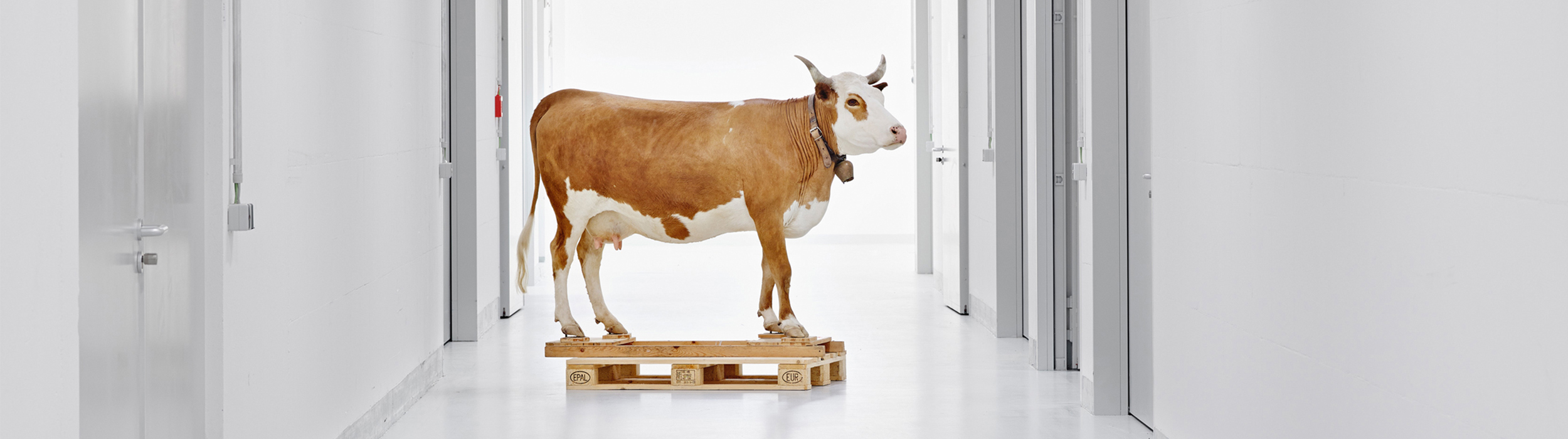
The Natural History Collection, established at the museum's foundation in 1895, comprises some 500,000 objects, including photographs, slides, maps, glass plates and films. It represents a comprehensive archive of life and knowledge from over four billion years of Earth and life history, preserved, expanded and shared across generations. The objects illustrate developments over long periods of time and allow comparisons and predictions to be made. The digitisation of these objects is enabling a strong network of researchers and creating opportunities to address new questions.
The collection has a regional and international character due to the research trips made by the museum's founders, Dr Adolf Fritze and Dr Hugo Ficke, and the numerous active appeals to the public for donations and targeted acquisitions. All areas of natural history, such as geology/mineralogy, palaeontology, zoology, botany and mycology, are represented to varying degrees in various sub-collections.
The zoological collections are of particular importance due to their regional focus. The biodiversity of southwest Germany has been documented for over a century in some cases, clearly showing the gradual change or even disappearance of habitats.
The processing, visualisation and digitisation of the collections is a time-consuming, ongoing and crucial process. It forms the basis for working with the objects and communicating them through exhibitions.
