

Marcel van Eeden. 6 August 1870
Haus der Graphischen Sammlung
27 June – 18 October 2026
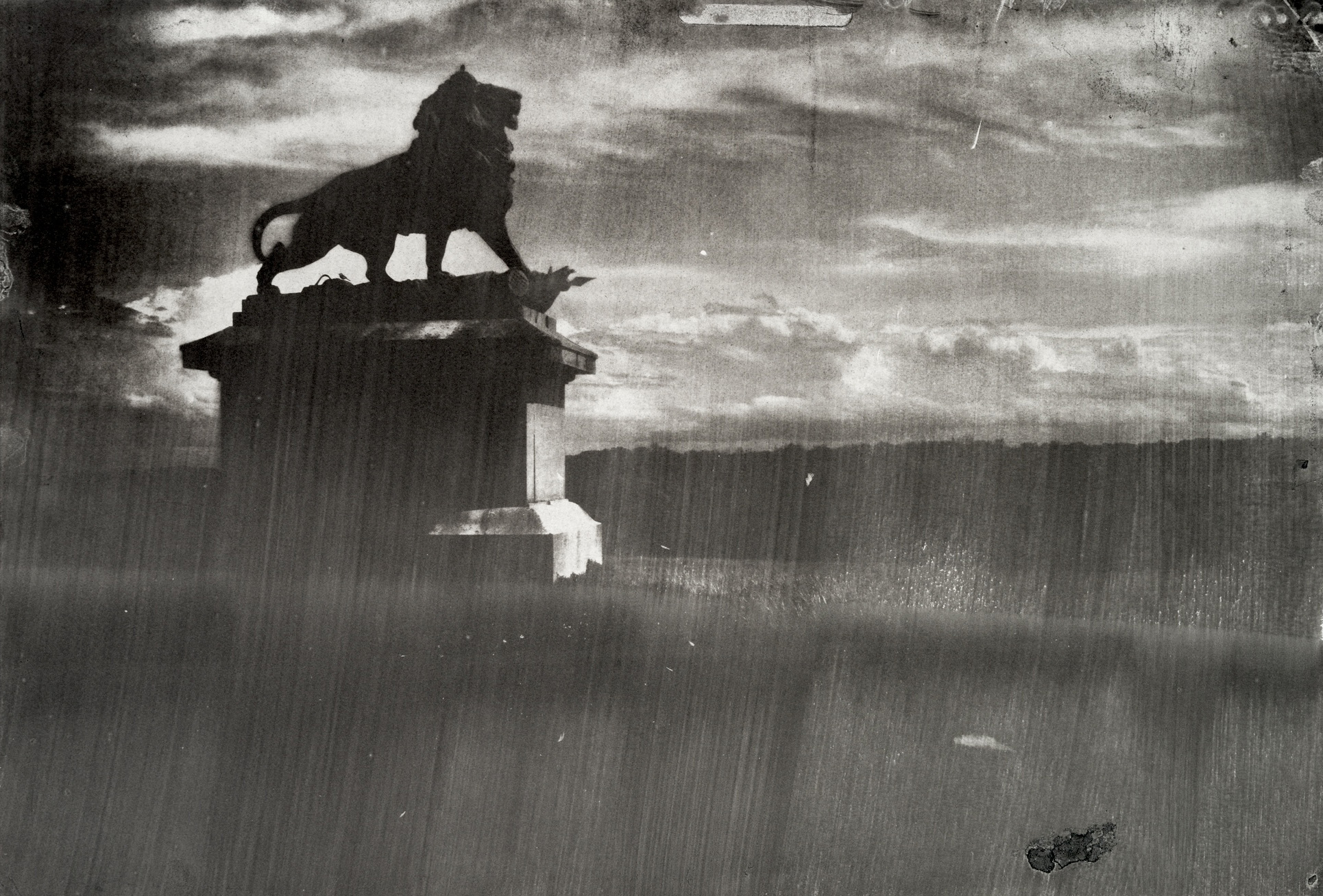
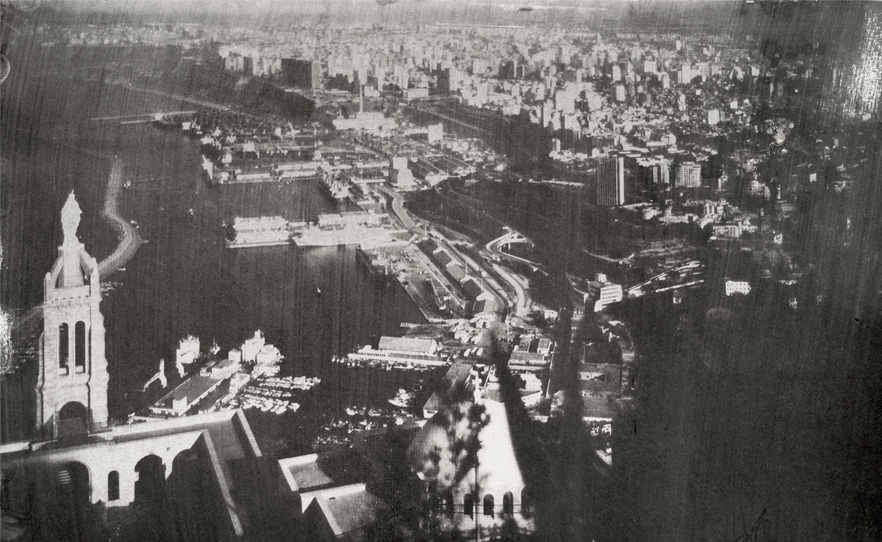
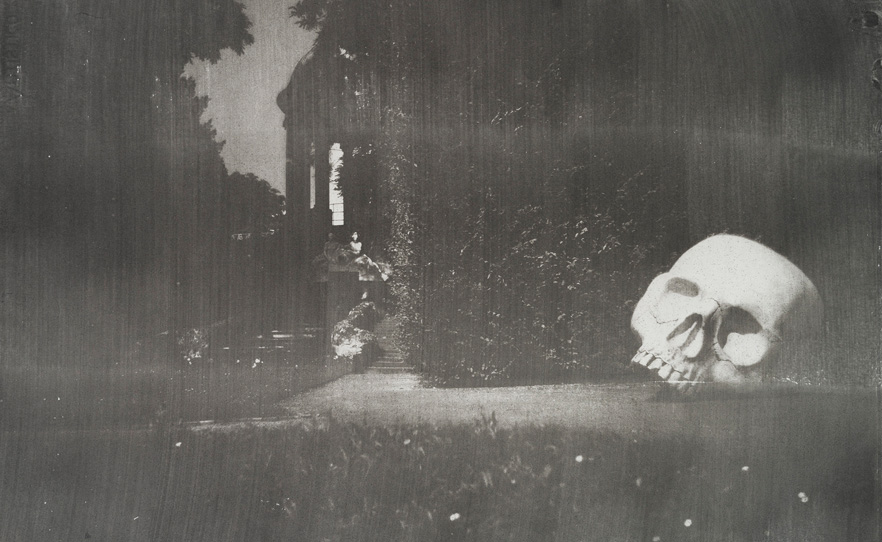
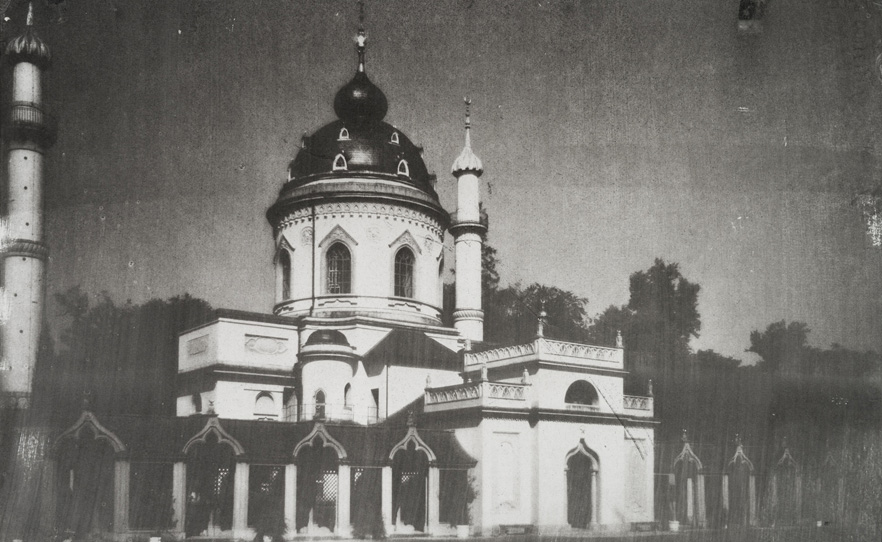
In his series 6 August 1870 comprising seventy parts, Marcel van Eeden explores the interdependence of nationalism, colonialism and racism. The starting point for his artistic research was the fate of Abdel Kader Ben Lahcen, who hailed from the Maghreb. The colonial soldier died in 1870 during the Franco- Prussian War, yet his story extends all the way to present-day Freiburg. Via art photography and historical quotations, van Eeden illuminates what has been hidden from view for a long time. His research led him from Alsace to Baden, whence to Tunisia and Algeria. Students at the State Academy of Fine Arts in Karlsruhe, where the Dutch artist Marcel van Eeden is currently rector and professor of painting, comment on his series via their own artworks.
A Museum für Neue Kunst exhibition in collaboration with Universität Freiburg, Provenance research on colonial scientific collections.
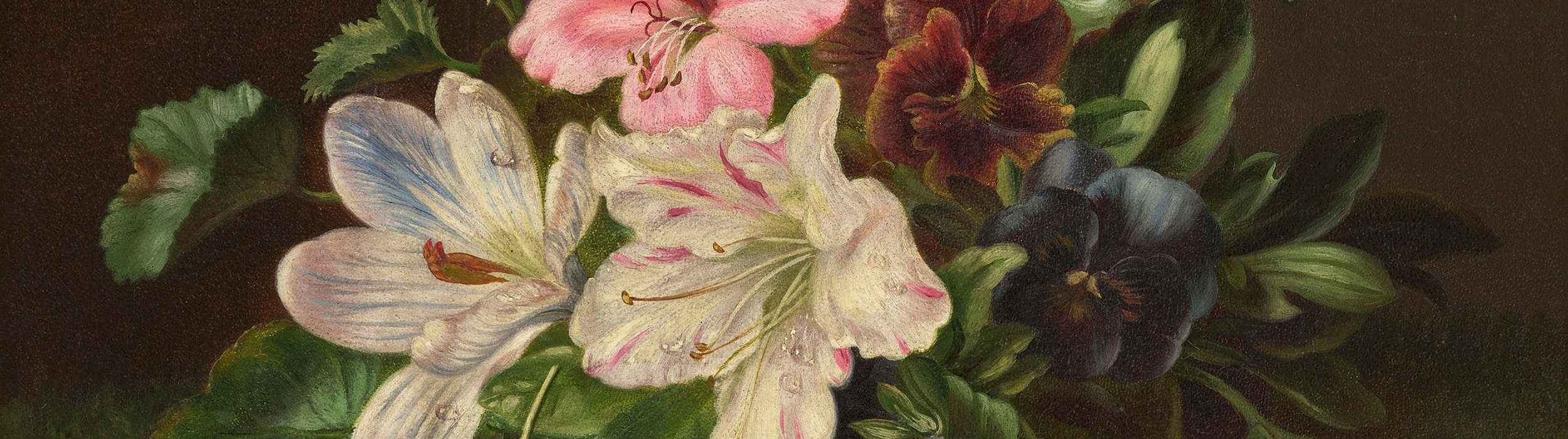
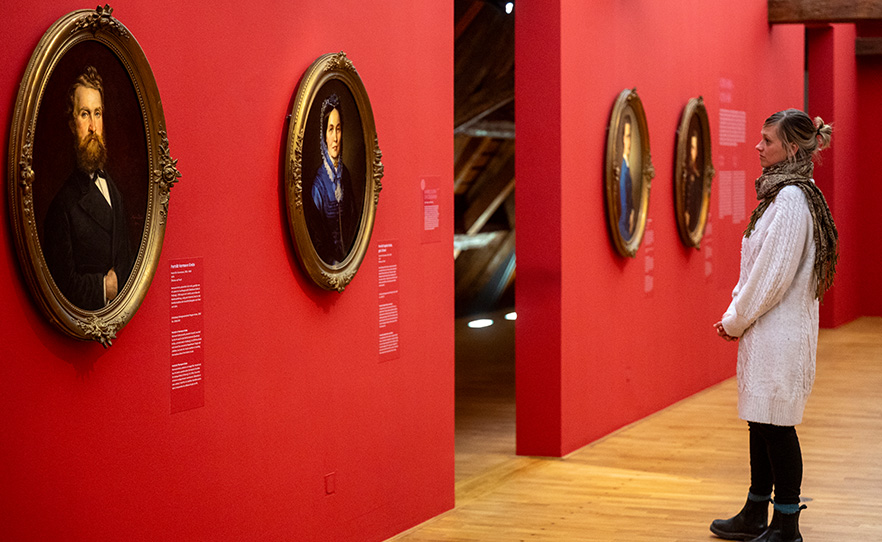
Ins Licht gerückt – Künstlerinnen im 19. Jahrhundert
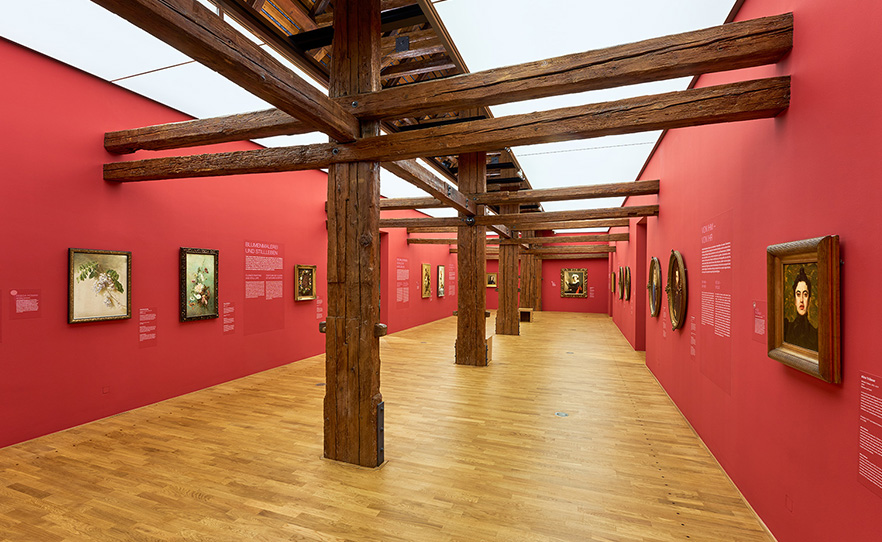
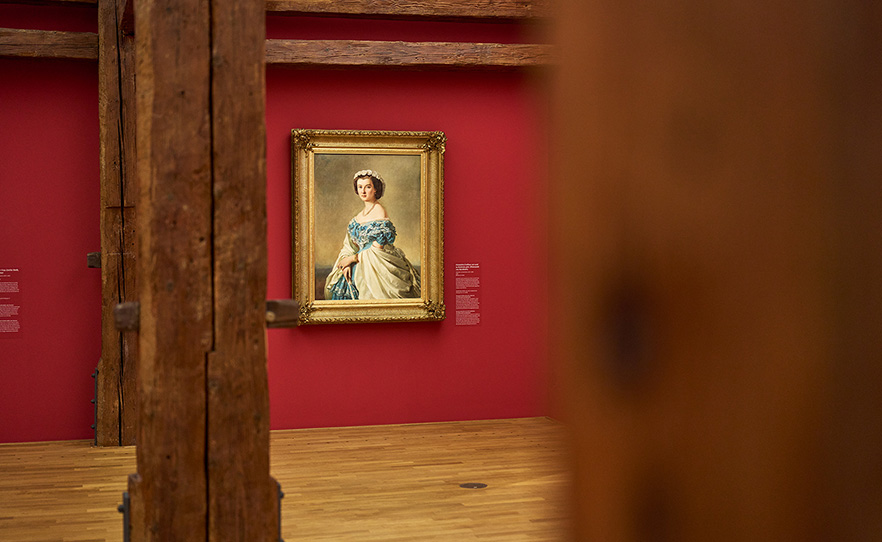
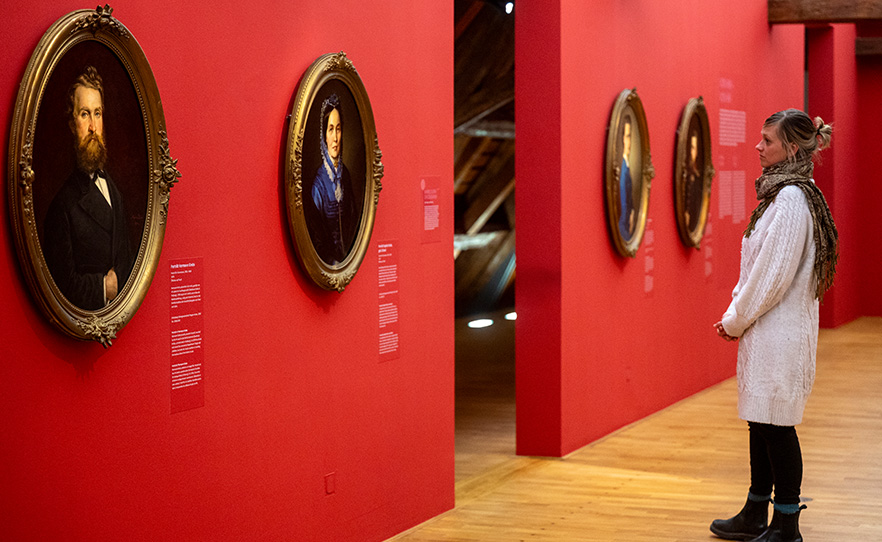
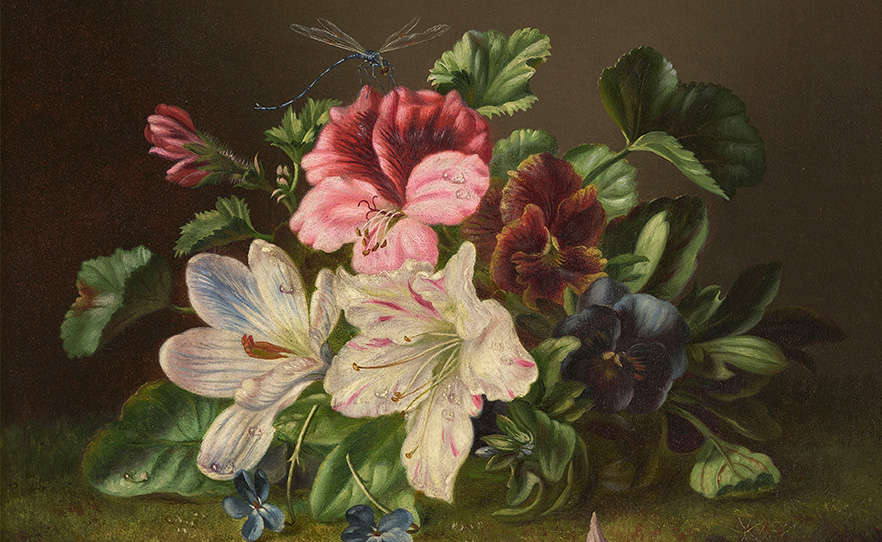
Die aktuelle Schau unter dem Titel "Ins Licht gerückt: Künstlerinnen im 19. Jahrhundert" zeigt unter anderem Gemälde von Alexandra Berckholtz (1821–1899), Ida Maier (1821–1904), Marie Dürr-Grossmann (1852–1889) und Frieda Roman (1859–1918) – allesamt Frauen, die trotz ihres künstlerischen Talents im Schatten ihrer männlichen Kollegen standen. Viele der ausgestellten Werke werden zum ersten Mal der Öffentlichkeit gezeigt. Ihre Gemälde spiegeln eine Zeit, in der Frauen durch soziale und strukturelle Hindernisse am Fortschritt gehindert wurden. Der Zugang zu Kunstakademien war stark eingeschränkt und nur wenigen Frauen gelang es, ihre Arbeiten in renommierten Ausstellungen zu zeigen. Trotz dieser Hürden schufen sie beeindruckende Werke und fanden kreative Wege, sich zu behaupten. Künstlerinnen sind in Ausstellungen und musealen Sammlungen oft unterrepräsentiert – auch im Augustinermuseum stammen weniger als 15 Prozent der Werke aus dieser Zeit von Frauen.
Preview

14 November 2026 – 18 April 2027
Hair – Stories of Power and Passion
Augustinermuseum
Whether long, short or shaven, dyed in bright colours or artistically styled – hair tells individual stories. They speak of beauty and desire, of conformity and rebellion, of both power and disempowerment. Hair is a point of connection and shapes identity.
Comprising eight chapters and spanning the period from antiquity to the present day, the exhibition explores the social, political, religious and deeply personal facets of hair. Why does Medusa have a head full of snakes? What does Louis XIV’s opulent wig reveal about social status? And how does contemporary art reflect current debates on body hair and gender roles? Ranging from marble busts of Roman emperors via a delicate hair earring in a portrait of Elizabeth Stuart, all the way through to a designer shoe made of synthetic hair: around 140 sculptures, paintings, prints, photographs, video works, design items, ethnological objects and historical everyday artefacts from four continents open up different perspectives and illustrate the immense fascination that something seemingly so common place can inspire.
Originally conceived by the Kunsthalle der Hypovereinsbank in Munich, the exhibition has been adapted, expanded and further elaborated for Freiburg.
28 November 2026 – 14 March 2027
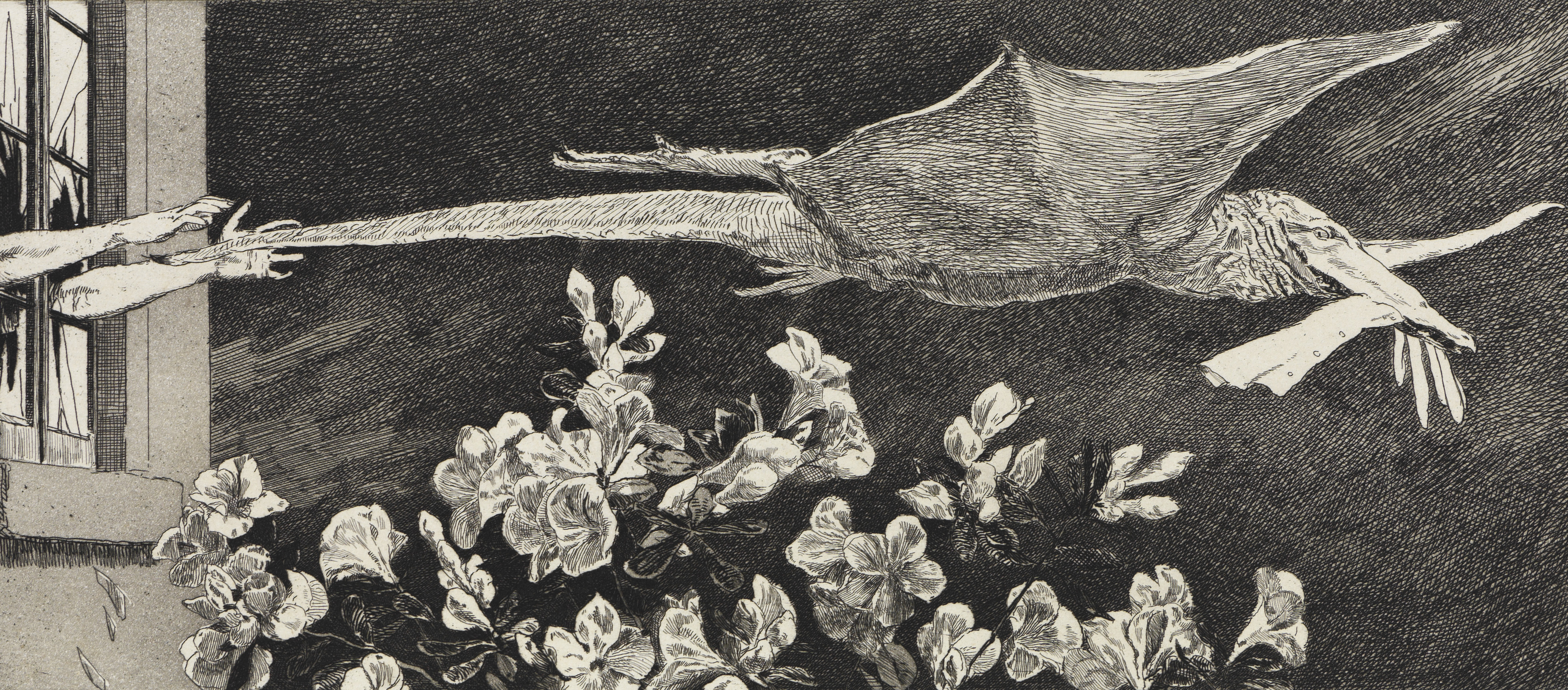
Max Klinger. Etchings and Drawings from the Museum der bildenden Künste Leipzig
Haus der Graphischen Sammlung
Through his etchings, Max Klinger ushered in a veritable renaissance of this technique at the end of the 19th century. He fused elements of Symbolism and Art Nouveau into a style of his own, one that is unmistakable and also shows the first hints of Surrealism. In collaboration with: Museum der Bildenden Künste Leipzig